The importance of content creation
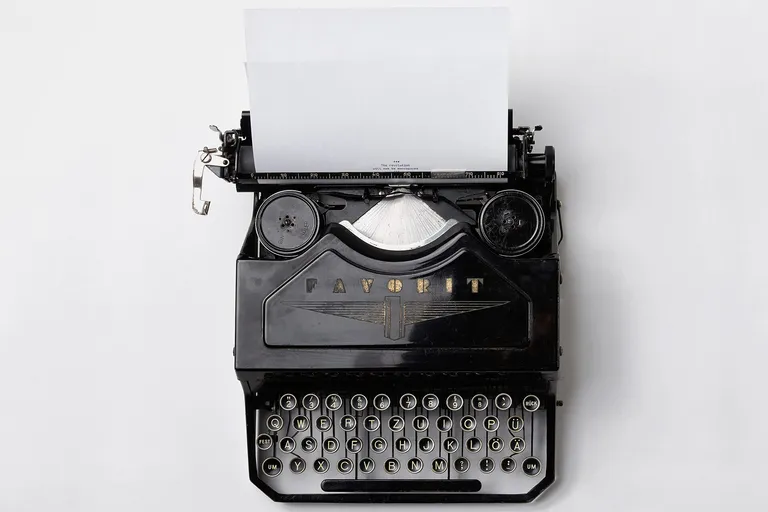
Consumption is easy. It is the easiest thing a mind can do, and it is engineered to feel like progress. You scroll, you read, you watch, you nod, you feel informed, and at the end of the hour you have acquired nothing except the pleasant sensation of having been moved. This is not an accusation; it is a confession. I consume. I consume a lot.
The question I want to take seriously is the one everyone skips: at what point should the mind stop consuming and start producing? And the second question, which is crueler: is that for everyone, or only for the people who already have something to say?
Psychologically: the reward loop
The psychology is fairly grim and fairly settled. Consumption is a variable-interval dopamine slot machine: the next post might be the good one, so the brain keeps pulling. Production is the opposite — a delayed, uncertain reward with a high upfront cost. Nobody's dopamine system evolved to prefer write for three hours and maybe publish something that maybe gets read. That's why the feed always wins unless you build a wall against it.

[ fig. Wikimedia Commons, CC BY-SA 4.0 ] 
[ fig. Roman de la Rose, BnF, CC0 ]
But here's the psychological flip that doesn't get enough airtime: the reward structure inverts the moment production becomes a habit. The first essay costs you everything; the tenth costs you an evening; the hundredth starts generating its own dopamine — the slow kind, the kind that compounds. Consumers rent pleasure by the hour. Producers own a small factory that makes meaning. That's the whole psychological argument in one sentence.
Educationally: you learn by producing
Educationally, the case is even less fair. Every serious theory of learning — from the testing effect to Feynman's you don't really know it until you can explain it — converges on the same uncomfortable fact: understanding is a byproduct of output, not input. You can watch a thousand lectures on swimming and drown. You can read a thousand essays on writing and produce nothing. Knowledge is not what enters the head; it's what survives the exit.
This is where the second question gets teeth. If producing is how you learn, then I don't have anything to say yet is not a reason to stay silent — it's a reason to start saying things, badly, on purpose. The people who have knowledge for it got the knowledge by producing it. Nobody was born with the right to speak; they earned it in exactly the way you're avoiding.
Philosophically: the mind as maker
Philosophy has been suspicious of pure consumption for a very long time; it just used different words. Aristotle's flourishing is an activity, not an experience. Arendt's vita activa puts the doer above the contemplator precisely because action leaves a mark on the world. Even the traditions most often quoted at dinner parties are built on the danger of grasping — and consuming without creating is grasping with extra steps. The verdict is unanimous: a life that only takes in is a life that has quietly stopped mattering.
The counterweight is equally old: not everyone is called to the public square. The monk copying manuscripts by candlelight was producing; so was the woman writing letters that will never be published. Production doesn't require an audience. It requires a mind that has decided to make something rather than wait for something to be made for it. The audience is a distribution question, not a legitimacy question.
So: is it for everyone?
Here's where I land, and I'd like it to be useful rather than comfortable. Yes, production is for everyone — but production is not publication. Everyone should be building the muscle of turning thoughts into things: a letter, a log, a half-finished essay nobody will ever read. That's where the psychological, educational, and philosophical arguments all point. But public production has a different bar, and it's the bar of responsibility: publish when you have something that would survive contact with a stranger, and when you're willing to be the person who said it. That filters out most content — and that's the point.
The mind that only consumes is a tenant. The mind that produces — even badly, even privately — owns the building. Start small. Start privately. But start. The dopamine will follow, and so will the knowledge, and somewhere down the line you'll find you had something to say all along. You just needed to produce it to find out what it was.